

In the bustling world of early childhood, building resilience in young children is a cornerstone of their emotional development. As parents, educators, and childcare professionals, we are often faced with the challenge of supporting children’s emotions while understanding their unique emotional needs. Whether it’s recognising signs of emotional distress or guiding them through emotional regulation, our role in fostering a nurturing environment is crucial. When toddlers experience emotional outbursts or preschoolers grapple with big feelings, it’s an opportunity for growth and learning. Join us as we explore practical childcare strategies for emotional development and offer tips on managing toddler emotions, ensuring the emotional well-being of our little ones.

Building resilience in young children is a crucial aspect of their overall development. It involves helping them navigate everyday challenges and fostering emotional growth. Let’s explore how we can support our little ones in becoming more resilient and emotionally intelligent.
Everyday Challenges and Emotional Growth
Every day challenges present valuable opportunities for children to develop resilience and emotional strength. These experiences, though sometimes difficult, are essential for growth.
Children face various challenges daily, from sharing toys to adapting to new environments. Each of these situations offers a chance to learn and develop coping strategies.
By guiding children through these challenges, we help them build the emotional tools they need for future success. This process involves teaching them to recognise and manage their feelings effectively.
Research from Harvard University suggests that supportive relationships and positive experiences are key factors in building resilience. As caregivers, our role is to provide this supportive framework.
Importance of Emotional Development
Emotional development is a cornerstone of a child’s overall growth and well-being. It shapes how children interact with the world around them and forms the foundation for future relationships.
Emotional intelligence, the ability to understand and manage one’s emotions, is a critical skill that develops in early childhood. This skill set helps children navigate social situations and cope with stress more effectively.
According to the National Association for the Education of Young Children, emotional development is closely linked to cognitive development. Emotionally secure children are often more ready to learn and explore their environment.
By fostering emotional development, we’re not just helping children in the present; we’re setting them up for success in their future academic and personal lives.
Understanding Emotional Needs
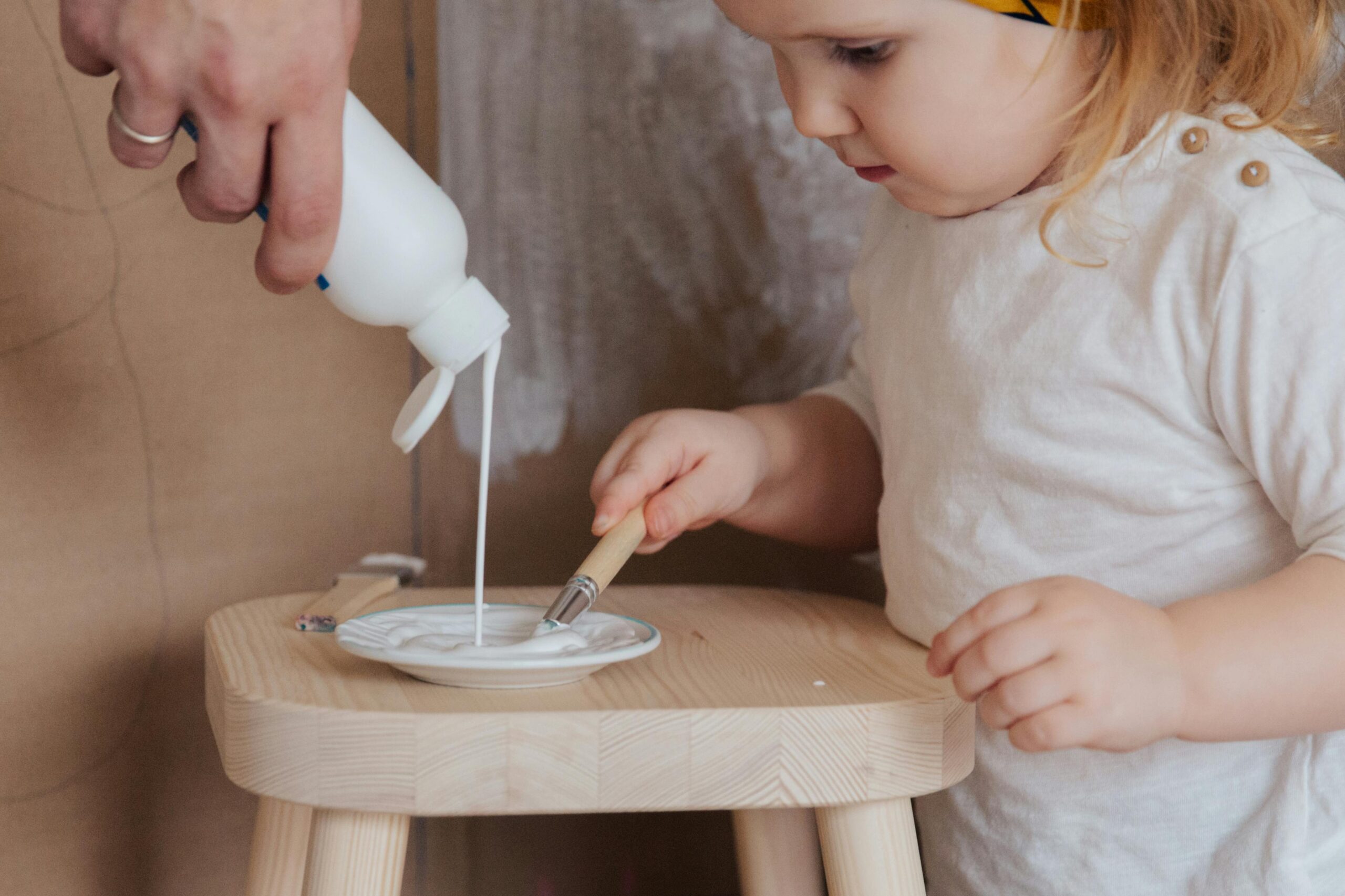
Understanding the emotional needs of young children is paramount in supporting their growth and development. This involves recognising signs of emotional distress and providing appropriate support.
Recognising Emotional Distress
Recognising emotional distress in young children can be challenging, as they may not always have the words to express their feelings. However, there are several signs we can look out for.
Physical cues such as changes in appetite, sleep patterns, or increased clinginess can indicate emotional distress. Behavioural changes like increased aggression, withdrawal, or regression in skills can also be signs.
It’s important to remember that every child is unique, and what constitutes distress for one may not be the same for another. Regular observation and communication with the child are key.
A study published in PMC highlights the importance of early recognition of emotional distress in preventing long-term mental health issues.
Supporting Children’s Emotions
Supporting children’s emotions involves creating a safe and nurturing environment where they feel comfortable expressing their feelings. This support is crucial for their emotional well-being and development.
One effective strategy is to validate their emotions. Let them know it’s okay to feel angry, sad, or frustrated. This acknowledgment helps children feel understood and accepted.
Teaching children to name their emotions can also be helpful. This practice, often called ’emotion labelling’, can help children better understand and manage their feelings.
Modelling healthy emotional expression is another powerful tool. When we positively handle our own emotions, we show children how to do the same.
Childcare Strategies for Emotional Development

Implementing effective childcare strategies is crucial for supporting emotional development in young children. These strategies can help manage toddler emotions and foster emotional intelligence.
Managing Toddler Emotions
Managing toddler emotions can be challenging, but with the right strategies, it can also be rewarding. The key is to approach each situation with patience and understanding.
One effective approach is to use ‘time-ins’ instead of ‘time-outs’. This involves sitting with the child during emotional outbursts, offering comfort and guidance rather than isolation.
Creating a ‘calm down corner’ with soft toys, books, and sensory items can give toddlers a safe space to regulate their emotions. This area should be viewed as a positive space, not a punishment.
Consistency is crucial when managing toddler emotions. Establishing routines and clear, age-appropriate expectations can help reduce emotional outbursts by providing a sense of security and predictability.
Remember, every child is different, and what works for one may not work for another. It’s important to be flexible and adapt strategies as needed.
Parenting Emotional Intelligence
Parenting with emotional intelligence involves being aware of your own emotions and those of your child. This approach can significantly impact a child’s emotional development.
One key aspect is practising active listening. This means giving your full attention to your child when they’re speaking, showing that their thoughts and feelings are valued.
Encouraging problem-solving skills is another important strategy. Instead of immediately solving problems for your child, guide them through the process of finding solutions themselves.
It’s also crucial to create opportunities for emotional learning. This can be done through reading books about feelings, role-playing different scenarios, or discussing emotions during daily activities.
Remember, parenting with emotional intelligence is an ongoing process. It requires patience, self-reflection, and a willingness to learn and grow alongside your child.
Partnering with Saige Early Learning
At Saige Early Learning, we understand the importance of fostering resilience and emotional growth in young children. Our educational philosophy emphasises creating an environment where children feel safe, supported, and able to express their emotions freely. With our innovative programs and expert educators, we provide children with the tools they need to thrive both emotionally and academically.
By focusing on holistic child development, Saige Early Learning helps children navigate everyday challenges and build essential emotional skills. We believe that every child deserves a nurturing space to explore their feelings and develop the resilience needed for future success.
To learn more about how Saige Early Learning can support your child’s emotional and educational journey, visit our website to book a tour. Discover how we create a supportive and enriching environment for young learners.
Join us at Saige Early Learning, where every child’s emotional development is our priority.