

Navigating Room Transitions: A Parent’s Guide to Supporting Your Child at Saige Early Learning
Your child has just settled into their current room at Saige Early Learning, and now it’s time to move on. Suddenly, drop-offs get tougher, sleep feels disrupted, and your usually confident child seems unsettled. Room transitions are a big step in early learning, and at our Gregory Hills centre, we help families support children through these changes with care and understanding. This guide shows you how to make internal centre transitions easier for your child and your family.
Why Room Transitions Matter

Room changes at childcare aren’t just about moving spaces—they mark important growth points in your child’s development. These shifts create stepping stones that build skills your child will use throughout life.
Developmental Needs and Changes
Children grow at an amazing pace during their early years. What works for a one-year-old doesn’t meet the needs of a three-year-old.
Each room at Saige Early Learning is set up for specific age groups with materials, activities, and spaces that match where children are right now in their growth. The baby room offers sensory-rich experiences in a cozy, secure setting. The toddler room provides more physical challenges and early social play opportunities.
Your two-year-old, who has mastered walking, needs climbing equipment, not infant swings. Your three-year-old who talks in sentences benefits from complex pretend play areas, not just simple cause-and-effect toys.
Moving rooms means your child gets the right tools at the right time. It’s like getting a new pair of shoes when they outgrow the old ones—sometimes there’s an adjustment period, but the fit is better for their current needs.
Preparing for School
Room transitions are practice runs for the big move to school. Each time your child changes rooms, they build skills that make future changes easier.
When your child moves from toddlers to preschool, they learn to adapt to new people and expectations. They discover they can form bonds with different teachers while keeping memories of past carers. They figure out new routines and find their place in a different social group.
These experiences build resilience—the ability to bounce back from change. By the time school arrives, your child will have practised adjusting to new environments several times.
The preschool room at Saige includes specific school readiness activities: longer group times, more structured learning moments, and practice with self-help skills like packing bags and opening lunch containers. Children who’ve moved through our rooms step into school with built-in confidence from past successful transitions.
Overcoming Transition Challenges
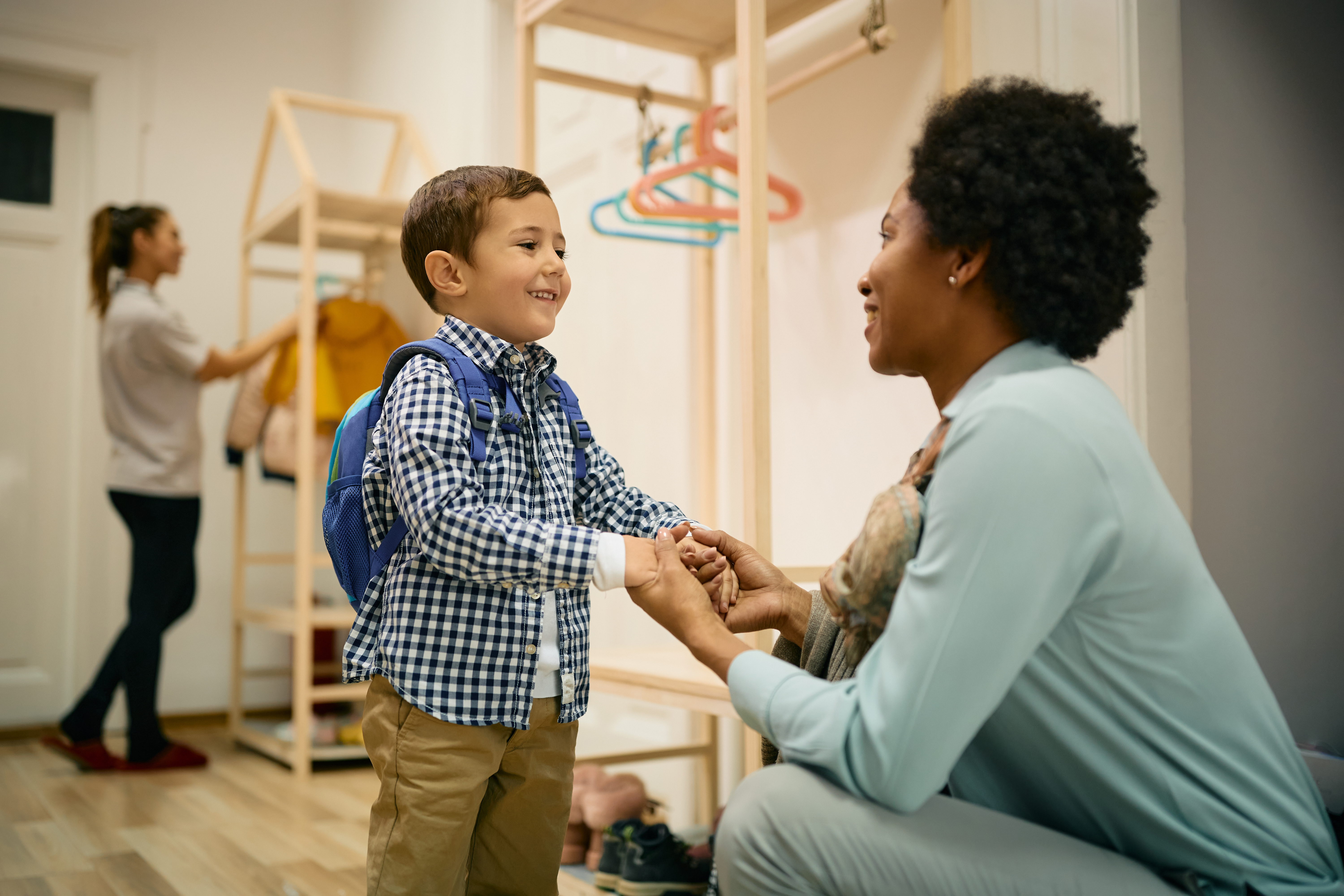
Change can be tough for little ones who thrive on familiarity. Understanding what makes transitions hard helps you support your child through the bumpy spots.
Attachment and Routine Disruption
Young children form deep bonds with their carers. Your child has spent months building trust with their current teachers—these relationships feel like safe harbours.
Moving rooms means saying goodbye to these trusted adults. Even when the new teachers are warm and welcoming, your child might feel a sense of loss. This explains the tears at drop-off or renewed clinginess at home. Your child isn’t going backwards—they’re processing a relationship change.
Routines also provide security for young children. Knowing what happens next makes the world feel safe. In their current room, your child knows exactly when lunch happens, where to put their bag, and how rest time works.
A new room means learning all these patterns again. This temporary unpredictability can make children feel unsettled. You might notice your child is more tired, has more meltdowns, or seems extra hungry during transition weeks. Their brain is working hard to make sense of new patterns.
Remember that these reactions are normal and temporary. Most children adjust to new attachments and routines within 2-4 weeks with consistent support.
Environmental and Social Adjustments
Physical spaces matter to young children. In their current room, your child knows where to find their favourite toys, which chair is theirs at meal times, and where the quiet corner is when they need a break.
Moving to a new room means learning an entirely new map. This spatial adjustment takes mental energy and can make children feel less confident until they master the new layout. You might hear “I can’t find the blocks” or “Where do I put my water bottle?” as they navigate this change.
Social relationships shift, too. Your child might move up with some friends, but the room will have new children, too. They need to find their place in an existing social group, which takes time and emotional energy.
Some children dive right into new social waters, while others watch from the sidelines first. Both approaches are valid ways to handle social transitions. The good news is that children are remarkably adaptable—new friendships form quickly when given time and gentle support.
Supporting Your Child Through Transition
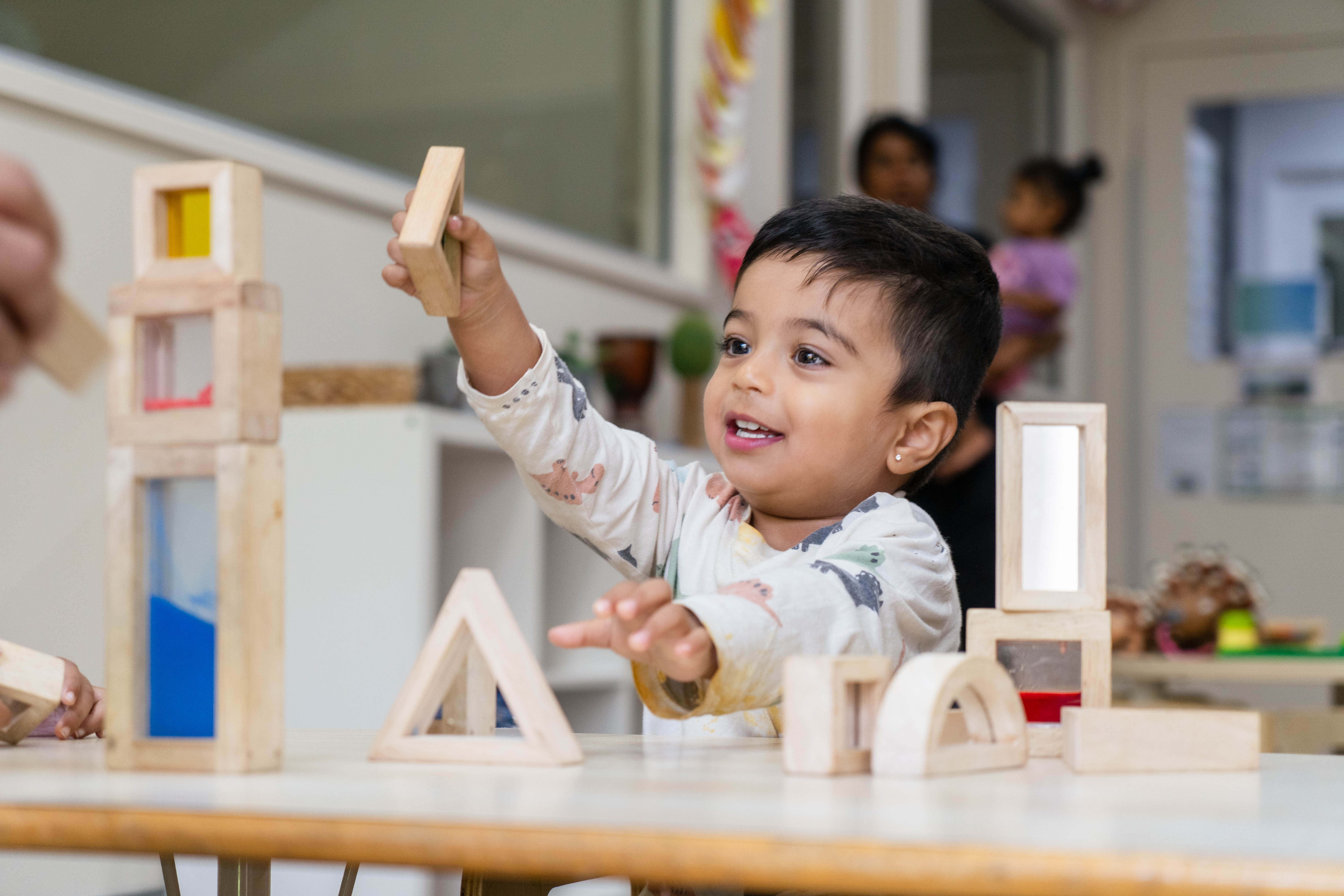
Your response to the transition shapes how your child experiences it. With thoughtful preparation and ongoing support, you can turn this challenge into a growth opportunity.
Positive Conversations and Home Routines
How you talk about the room change sets the tone for your child’s experience. Frame the transition as an exciting step forward, not something to fear.
Try simple phrases like: “You’re getting so big and learning so much! The dolphin room has special toys for big kids like you.” Or “I saw your new teacher today. She can’t wait to show you the block corner in your new room.”
Keep these chats brief and upbeat. Too much focus can create worry where none existed. Watch for your child’s cues—if they seem concerned, acknowledge feelings without adding anxiety: “It’s okay to feel a little nervous about your new room. That’s normal when things change.”
Home routines become extra important during transitions. When childcare brings change, the home should offer stability. Keep bedtimes, wake-up times, and family rituals consistent. This creates a secure foundation when other parts of life feel different.
Consider adding a special connection ritual during transition weeks—a special breakfast together, an extra bedtime story, or a five-minute cuddle before leaving home. These small touchpoints reassure your child that your relationship remains rock-solid when other things change.
Communication and Comfort Items
Open lines between home and childcare help smooth transitions. Share information about how your child is responding at home—sleep changes, emotional outbursts, or questions they’ve asked you.
Ask the new teachers specific questions: “How did she settle after I left?” “Did he join group time today?” “What helped her feel comfortable?” This information helps you support your child more effectively at home.
Many children benefit from bringing a comfort item during transition periods. A small stuffed animal, family photo, or special blanket can serve as a bridge between home and the new room. These items offer emotional security in unfamiliar settings.
For some children, a transitional object from their previous room helps too—perhaps a favourite book they often read with their former teacher or a small toy they especially enjoyed. This creates continuity between their old and new spaces.
The Raising Children Network recommends maintaining familiar drop-off routines during transitions. If you always read one book before saying goodbye, keep this ritual even in the new room. Predictable goodbyes help children feel secure despite the changing environment.
Remember that most children adjust to room transitions within a month. Your steady support, paired with our experienced teaching team, creates the perfect foundation for your child to master this important life skill.