February Fun: Ignite Your Child’s Love of Reading at Saige Early Learning
Most parents know early literacy skills shape school success, yet many wonder when to start. Waiting until school begins leaves little time to build confidence and a love of reading. At Saige Early Learning, February is the perfect moment to spark that passion with hands-on pre-reading activities. Read on to find out how preparing for Children’s Book Week now can set your child up for a bright literacy future. According to the Early Years Learning Framework, developing strong communication skills in early childhood is essential for lifelong learning.
Why Early Literacy Matters
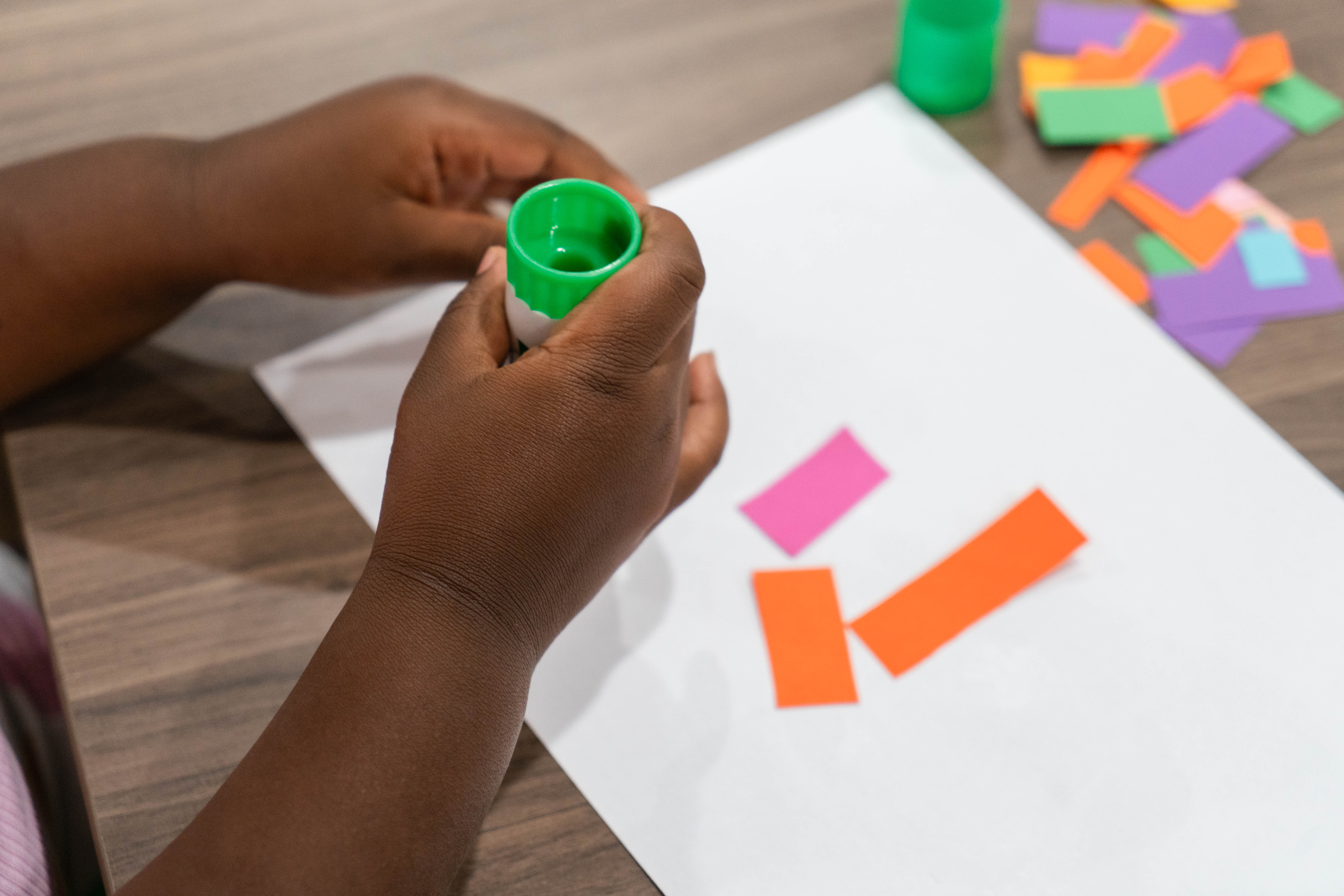
The early years are magic for brain growth. What happens before age five sets the stage for all future learning. The skills your child builds now create the foundation for reading success throughout school.
Building Lifelong Learning Foundations
The first five years open a special window for brain growth. During this time, your child’s brain makes millions of connections that shape how they’ll learn to read.
Research shows that children who hear more words and stories before age five have larger vocabularies and stronger reading skills in school. When you read with your child, you’re not just sharing a story—you’re building brain pathways that support reading.
Did you know that children who struggle with reading by third grade often continue to fall behind? The good news: starting early works! Reading just 15 minutes daily with your preschooler builds the skills they need for school success. This simple habit creates a powerful impact on their future learning.
Your child’s early experiences with books create emotional connections too. When reading feels warm, fun, and special, children develop positive attitudes toward learning that last a lifetime.
Understanding Literacy Beyond Reading
Literacy goes far beyond sounding out words on a page. It’s about making meaning from language in all its forms—spoken words, pictures, symbols, and text.
When your child points to a stop sign and says “STOP,” they’re showing early literacy skills. They recognize that symbols carry meaning. When they tell you about their day, ask questions about a story, or pretend to “read” to their teddy bears, they’re building literacy.
True literacy includes listening, speaking, viewing, and critical thinking. Your child needs these skills to succeed not just in reading, but in all school subjects and life situations.
NSW education experts point out that children learn literacy best through meaningful, playful experiences—not through flashcards or worksheets. When literacy learning feels like play, children stay engaged and motivated to learn.
Essential Pre-Reading Skills
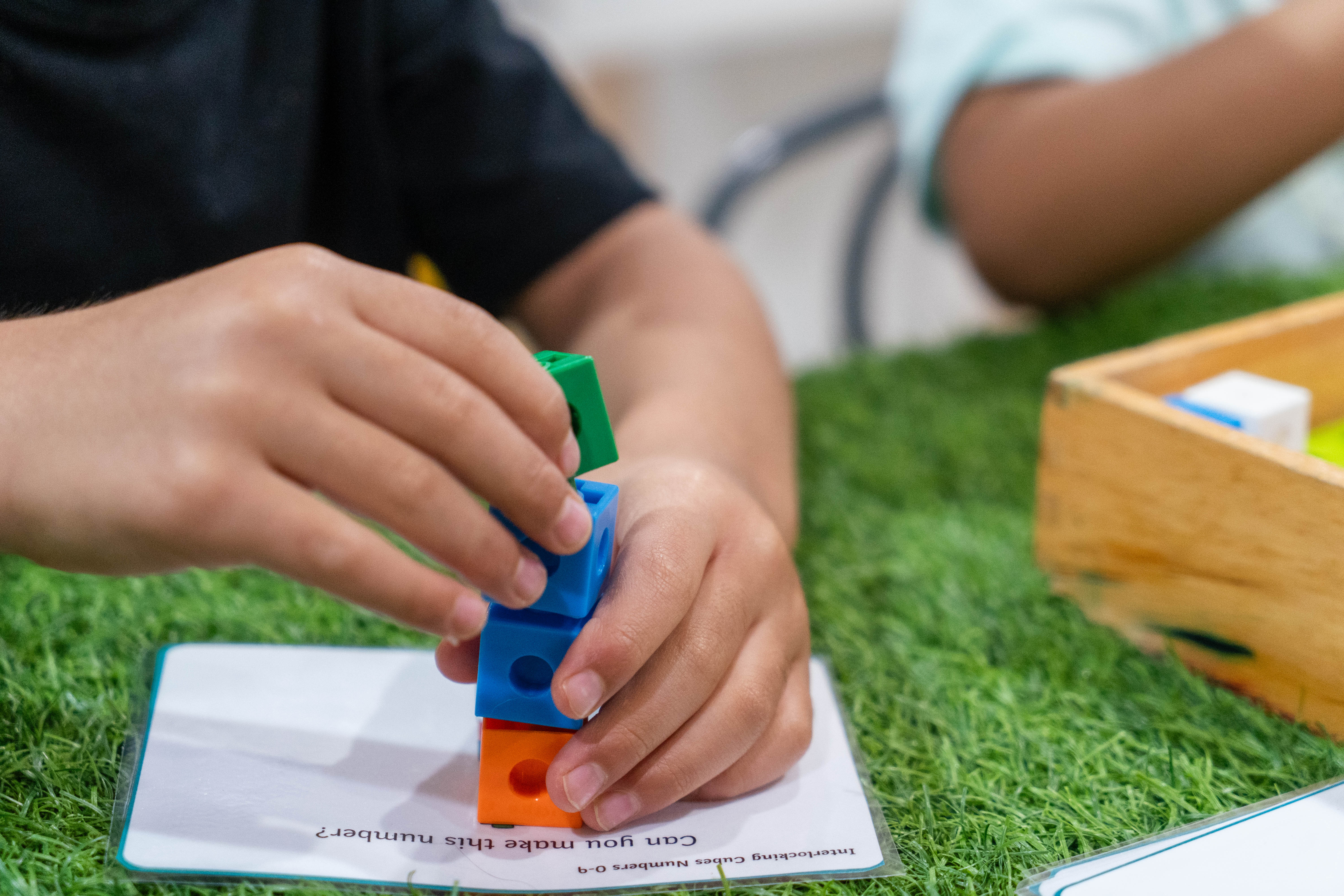
Before children crack the reading code, they need to build specific skills that make reading possible. Think of these as the building blocks that support the house of reading.
Phonological Awareness Activities
Phonological awareness—the ability to hear and play with sounds in words—ranks as the top predictor of reading success. This skill develops through playful sound games and activities.
Try clapping out syllables in your child’s name or favorite foods. “Ba-na-na” has three beats! This simple game helps children break words into smaller chunks, which later helps with reading and spelling.
Rhyming games build crucial sound skills too. Read books with rhyming patterns and pause before the rhyming word to let your child fill it in. “The cat wore a ____ (hat)!” When children predict rhymes, they’re tuning their ears to word sounds.
Sound hunts turn phonological awareness into an adventure. Ask your child to find things that start with the “mmm” sound (milk, monkey, mom). Or play “I Spy” focusing on beginning sounds: “I spy something that starts with /b/.” These games help children notice that words are made up of individual sounds—a key insight for reading.
Developing Print Concepts
Children need to understand how books and print work before they can read. Simple activities build these skills naturally during everyday reading time.
Point to words as you read them, showing that print moves from left to right and top to bottom. This helps your child grasp the direction of reading. Ask your child to help turn pages, showing that books progress in a certain order.
Talk about book parts during reading time. “Let’s look at the cover. What do you think this story might be about?” “Who wrote this book? That’s the author’s name.” These conversations teach book-handling skills and build vocabulary about books.
Environmental print—the words all around us—offers perfect learning opportunities. Point out stop signs, food labels, and store logos. When your child recognizes the golden arches of McDonald’s or the LEGO logo, they’re showing early reading skills. They’re connecting symbols with meaning, which is what reading is all about.
Research from NSW shows that children learn print concepts best when adults make them visible during everyday reading—not through formal lessons.
February Activities: Building Love of Reading
February
gives us the perfect chance to connect books with love. The month of hearts and friendship creates natural links to stories about caring, sharing, and belonging.
Heart-Themed Storytimes
February offers the perfect backdrop for heart-warming stories that build both literacy skills and emotional connections. Books about love, friendship, and kindness create natural conversation starters with young children.
Create a special “Love of Reading” corner with heart-shaped cushions and books featuring themes of friendship and family love. Rotate books weekly to keep the space fresh and exciting. Children gravitate toward cozy, inviting reading spaces with interesting book displays.
Try “story baskets” with props related to favorite books. For “The Very Hungry Caterpillar,” include a stuffed caterpillar and plastic fruit. These tangible objects help children connect with stories and retell them in their own words—building comprehension and vocabulary.
Make storytimes interactive by asking open-ended questions: “What do you think will happen next?” “How do you think the character feels?” “Has something like this ever happened to you?” These questions build critical thinking skills and help children connect personally with stories.
Family Reading Challenges
Family reading challenges turn books into adventures you share together. They build habits that last long after February ends.
Create a “February Reading Bingo” card with different reading activities: “Read under a blanket fort,” “Read a book about friendship,” “Read with a flashlight,” or “Read to a stuffed animal.” When children complete a row, they earn a small prize or special activity.
Start a family reading jar. Each time you read together, add a heart with the book title to the jar. Set a family goal—perhaps 50 books by month’s end—and plan a special celebration when you reach it. This visual reminder shows reading progress and builds excitement.
Try the “21-day reading habit challenge.” Science shows it takes about 21 days to form a new habit. Commit to reading together every day for 21 days straight, even if just for 10 minutes. Mark each day on a calendar, and watch as reading becomes part of your family routine.
Remember that your excitement about books transfers to your child. When you show genuine interest in stories and make reading time special, you’re teaching your child that books bring joy—the greatest gift you can give a future reader.
At Saige Early Learning, we believe every child deserves to fall in love with books. These February activities plant seeds for a lifetime of reading pleasure while building crucial pre-reading skills.