New Year’s Resolutions for Little Aussies: How to Set Age-Appropriate Goals for 2026
New Year’s resolutions aren’t just for grown-ups—little Aussies can learn to set goals too, and it’s easier than you think. When children start thinking about what they want to achieve, they build skills that last a lifetime. We’re helping families understand how age-appropriate resolutions can boost confidence, growth mindset, and early learning success in 2026.
Why Resolutions Matter for Little Aussies

When children set simple goals, they gain much more than just new skills. They learn to take ownership of their growth, building the foundation for success in school and life. The start of a new year creates the perfect moment to introduce this powerful habit to your child.
Building Responsibility from a Young Age
Children thrive when given appropriate responsibility. Even two-year-olds feel proud when they master putting toys away or helping with simple tasks.
Setting resolutions helps children connect their actions with outcomes. When a child decides, “I want to learn to put on my shoes,” they begin to see themselves as capable problem-solvers rather than passive participants in their day.
This sense of agency builds confidence. Your child learns that they can make decisions and work toward something that matters to them. This early taste of independence creates a positive cycle—the more they achieve, the more they believe in their abilities.
Small responsibilities also prepare children for bigger ones later. The child who masters hanging up their backpack at age three will be better prepared to manage homework responsibilities at age six.
Research shows that children who take on age-appropriate responsibilities tend to be more helpful, show greater empathy, and develop stronger problem-solving skills than those who don’t.
Developing a Growth Mindset Early On
When children set and work toward goals, they build what psychologists call a “growth mindset”—the belief that abilities can be developed through dedication and hard work.
This mindset shapes how children approach challenges. Instead of saying “I can’t do this,” children with growth mindsets say, “I can’t do this yet.” This simple shift makes all the difference in how they face difficulties.
Through resolution-setting, children learn that mistakes are part of learning. When your four-year-old sets a goal to write their name but struggles with letter formation, they practice bouncing back from frustration and trying new approaches.
Children also learn to value effort over perfection. The focus shifts from “being smart” to “working smart,” which builds resilience when faced with challenges.
Parents can foster a growth mindset by praising process rather than results: “I noticed how hard you worked on that puzzle” instead of “You’re so clever.” This type of praise helps children connect their efforts with outcomes.
The Australian Early Years Learning Framework specifically mentions developing a growth mindset as a key outcome for children, recognising its importance in building lifelong learning skills.
Setting Age-Appropriate Goals
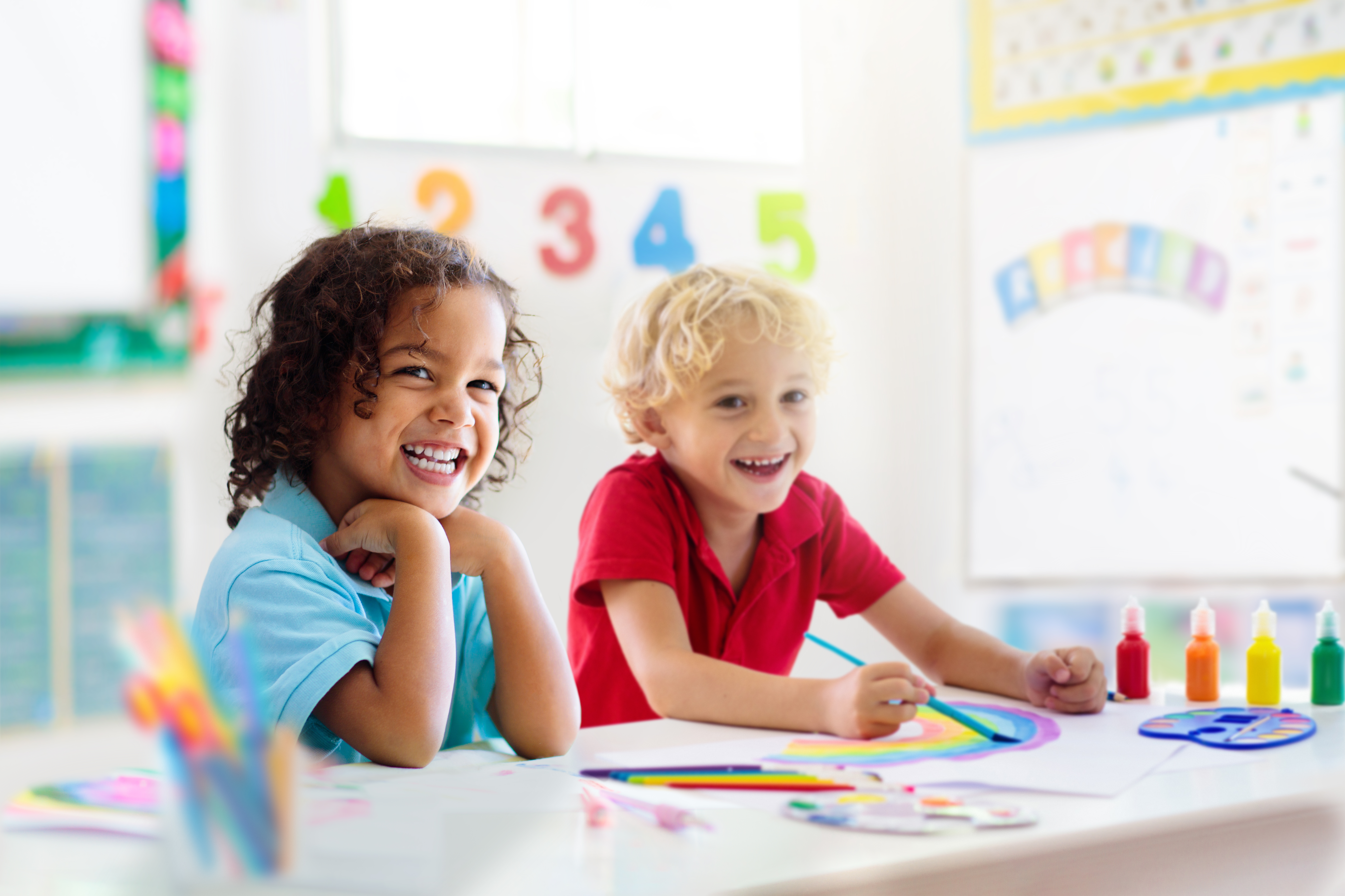
Choosing the right goals makes all the difference between success and frustration. Goals should stretch your child slightly beyond their comfort zone while remaining achievable with practice and support.
Resolutions for Toddlers and Preschoolers
For toddlers and preschoolers, simple, concrete goals work best. Focus on daily activities they’re beginning to master or skills they show interest in learning.
Toddlers might aim to put toys in the toy box after playtime, help feed the family pet, or wash their hands before meals. These goals connect directly to their growing desire for independence.
Three and four-year-olds can set slightly more complex goals like learning to count to 20, mastering a new physical skill like catching a ball, or completing a morning routine with fewer reminders.
Make sure goals relate to your child’s interests. A child who loves animals might enjoy a goal of learning animal names or helping with pet care. A child who enjoys movement might set a goal to learn to hop on one foot or ride a tricycle.
Keep the list short—one or two goals are plenty for young children. Too many goals can feel overwhelming and set them up for disappointment.
Frame goals positively: “I will use my walking feet inside” works better than “I won’t run inside.” Positive goals give children clear direction about what to do rather than what not to do.
Remember that consistency matters more than perfection. Expect good days and challenging days as your child works toward their goals.
Goals for Pre-Kindergarten Kids
Pre-kindergarten children can set more sophisticated goals that build school readiness skills while maintaining their natural enthusiasm for learning.
Four and five-year-olds often show interest in academic skills like writing their name, recognising letters, or counting to higher numbers. These make excellent resolution targets when approached through play and hands-on activities.
Social-emotional goals become increasingly important at this age. Your child might set goals around making new friends, taking turns without reminders, or using words to express big feelings instead of having meltdowns.
Independence goals help prepare children for the expectations of kindergarten. Goals like packing their own bag, remembering to bring items home, or following multi-step directions build crucial self-management skills.
Pre-kindergarten children can understand working toward goals over longer periods. While toddlers need daily reinforcement, older preschoolers can work toward weekly or even monthly achievements.
These children can also participate more actively in choosing their goals. Ask open-ended questions like “What would you like to learn to do by yourself this year?” or “What new thing would you like to try?”
Connect goals to your child’s future aspirations. “When you start big school next year, you’ll need to know how to zip your jacket. Shall we practice that?”
Help your child break larger goals into smaller steps. “First, we’ll learn the letters in your name, then we’ll practice writing them.”
Supporting Your Child’s Resolutions
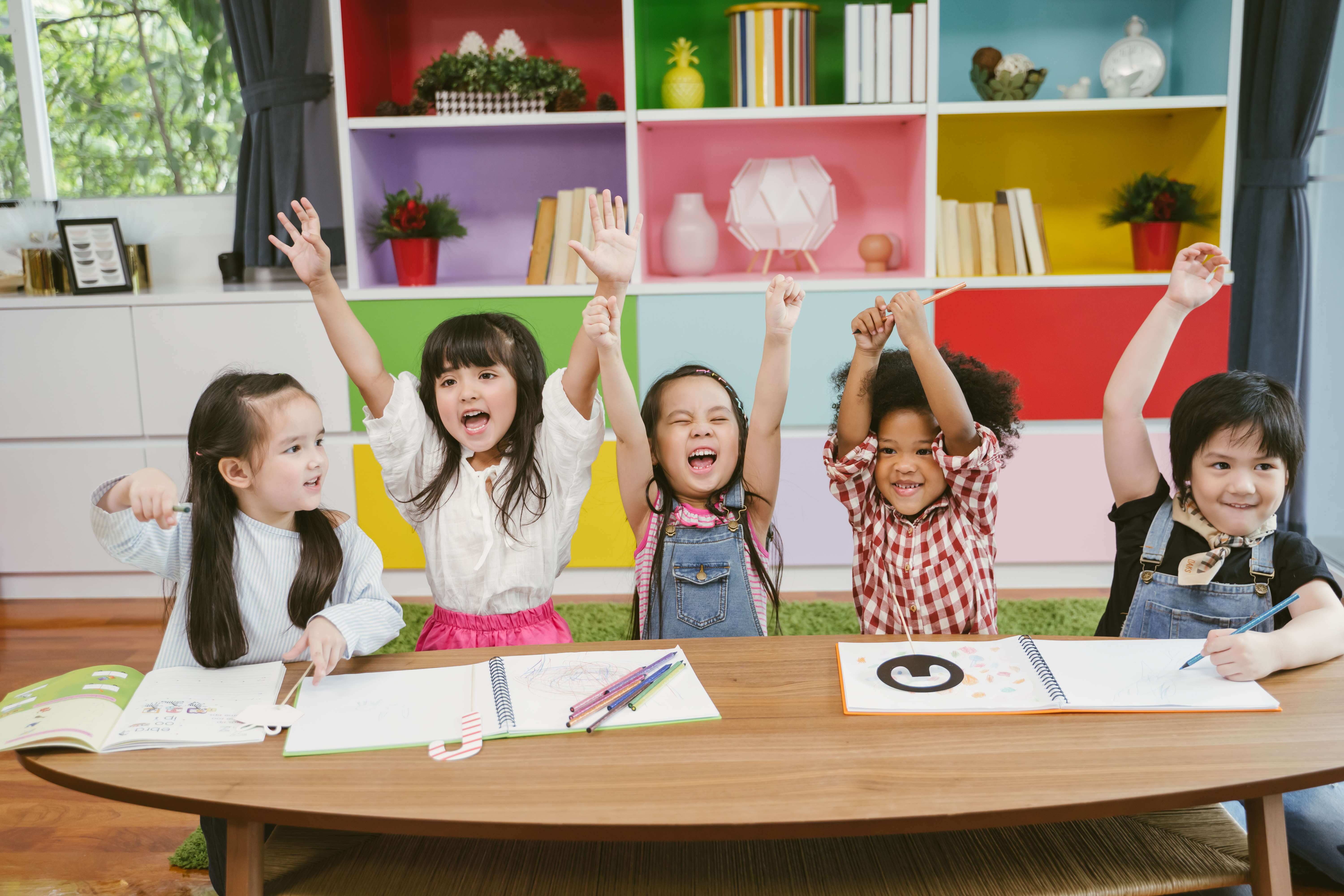
The way you support your child’s resolutions dramatically affects their success. With the right approach, you’ll build not just specific skills but also their confidence as learners.
Making Goals Visual and Fun
Young children think concretely and need visual reminders of their goals. Creating something they can see and touch makes abstract concepts real.
Simple charts work wonders with young children. A basic grid with spaces for stickers motivates toddlers and preschoolers to keep trying. Place it at their eye level where they’ll see it daily.
Photos help children remember their goals. Take pictures of your child doing the target behaviour (brushing teeth, putting toys away) and display them near where the activity happens.
Turn goals into games whenever possible. If the goal is learning to count to 20, play “rocket ship countdown” during bath time. If it’s putting toys away, set a timer and make it a race.
Create goal jars where children add a pompom each time they work toward their goal. When the jar fills up, celebrate together. This visual representation of progress keeps motivation high.
For pre-kindergarten children, make a simple calendar to track progress over time. They can place a stamp or draw a star on days they practice their goal.
Consider creating a special “resolution buddy”—a stuffed animal or toy that “helps” your child remember their goal. “Bear wants to know if you remembered to hang up your towel today!”
Read stories about characters who set goals and work hard to achieve them. Books like “The Little Engine That Could” reinforce the power of persistence.
Celebrating Progress and Effort
The way you respond to your child’s efforts shapes how they view challenges and setbacks. Focus on progress rather than perfection.
Notice and comment on effort: “You’re trying so hard to zip your jacket! I see how carefully you’re holding the zipper.” This teaches children that hard work matters.
Celebrate small steps toward the goal. The first time your child remembers their resolution without prompting deserves special recognition, even if they don’t fully achieve it.
When children struggle, normalise difficulty: “Learning new things takes practice. Remember how hard it was to learn to climb the stairs? But you kept trying, and now you can do it easily!”
Avoid comparing your child’s progress to siblings or peers. Each child develops at their own pace, and comparisons can damage motivation.
Use specific praise rather than generic comments: “You remembered all the steps in brushing your teeth tonight!” works better than “Good job!”
Create simple rituals to mark progress. A special high-five, a progress photo, or adding a link to a paper chain helps children visualise their growth.
At the end of each week, reflect together: “What did you do well this week? What was challenging? What should we try next week?” These conversations build self-awareness and planning skills.
Remember that the ultimate goal isn’t perfect performance but helping your child develop a positive relationship with learning, challenges, and growth. When children see themselves as capable learners who can improve with effort, they’ve gained something far more valuable than any specific skill.
The Australian Government’s Early Years Strategy recognises that these early experiences with goal-setting and achievement build the foundation for lifelong learning. By supporting your child’s simple New Year’s resolutions, you’re helping them develop skills that will serve them well throughout their education and beyond.
Ready to Start Your Child’s Learning Journey?
As you prepare to celebrate 2026, consider making early learning goals part of your family’s New Year traditions. Whether your child is taking their first steps or preparing for big school, goal setting supports their development in powerful, lasting ways.
Saige Lane Early Learning Centre
67-77 Lasso Rd, Gregory Hills NSW 2557
Phone: (02) 4602 5515
Email: enrolments@saigeearlylearning.com.au
Website: https://www.saigeearlylearning.com.au/
Hours: 6:30am – 6:30pm, Monday to Friday
Book Your Centre Tour: Experience our goal-setting practices firsthand:
Observe our educators supporting children’s learning goals
See our visual progress charts and achievement displays
Discuss your child’s unique developmental needs
Learn about our growth mindset approach
Ask about our family partnership practices
Current Enrolment: We welcome children aged 6 weeks to 5 years across all our learning environments:
Nursery (6 weeks – 2 years)
Toddlers (2 – 3 years)
Preschool (3 – 4 years)
Pre-Kindergarten (4 – 5 years)
Contact us today to discuss availability and register your interest.
Frequently Asked Questions
Q: At what age can children start setting goals?
A: Even toddlers can participate in very simple goal setting (e.g., “Let’s put all the blocks in the box”). The complexity grows with age. By 3-4 years, children can actively choose and work toward simple goals. By 4-5 years, they can set more sophisticated goals and understand delayed gratification.
Q: What if my child doesn’t achieve their New Year’s resolution?
A: That’s completely okay and part of the learning! The goal isn’t perfection—it’s teaching the process of trying, adjusting, and persisting. Talk about what was hard, what they learned, and whether to modify the goal or try different strategies. Celebrate effort, not just outcomes.
Q: How many goals should young children have?
A: Start with just 1-2 goals for young children. Too many goals become overwhelming and counterproductive. As children get older and more capable, you can gradually add more (but rarely more than 3-4, even for 5-year-olds).
Q: Should we offer rewards for achieving goals?
A: Focus primarily on intrinsic motivation (the good feeling of achievement itself) rather than external rewards. Praise effort and progress enthusiastically. If using rewards, keep them small and focused on experiences rather than material items (e.g., “When you achieve your goal, we’ll have a special family movie night!”). The process of achieving should feel rewarding on its own.
Q: What if my child’s goal seems silly or unimportant?
A: If a child is genuinely excited about a goal (even if it seems trivial to adults), validate it! The process of setting and working toward ANY goal builds valuable skills. You can always introduce additional goals later. Taking children’s ideas seriously builds their confidence and ownership.
Q: How does goal setting fit with school readiness?
A: Goal-setting skills are fundamental to school readiness. Children who can set goals, focus on tasks, persist through challenges, and manage their behaviour are much better prepared for the demands of formal schooling. Our pre-kindergarten programme explicitly incorporates school readiness goals.
Q: Can goal setting help with challenging behaviours?
A: Absolutely! Goals framed positively (“I will use gentle touches” rather than “I won’t hit”) give children clear actions to work toward. Visual charts and consistent reinforcement help children develop self-regulation. This is more effective than punishment-based approaches.
Q: How do you incorporate goal setting at Saige Lane?
A: Goal setting is embedded throughout our programme: morning intention setting, learning journals, individual learning plans, group goals, reflection times, and visual progress documentation. We also host family workshops on supporting goal-setting at home.