Nurturing Young Minds: Unforgettable Play-Based Learning for Junior Kindy Kids
The Junior Kindy years are packed with energy and curiosity, but knowing how to channel that can be a challenge. Your 3 to 4-year-old is learning to move, talk, and connect with the world in ways that shape their future. At Saige Early Learning, our play-based learning activities make every moment count, supporting your child’s growth while keeping them engaged and happy to learn.
Understanding Junior Kindy Development

The time between ages three and four marks an amazing period when your child’s brain forms connections at lightning speed. What looks like simple play actually builds the foundation for lifelong learning and success.
This critical period of development sees children forming up to 1000 trillion synapses by age three, a testament to how rapidly their brains are growing and learning. Our carefully designed play-based learning activities support every aspect of your child’s development whilst keeping them engaged, happy, and excited to learn.
Understanding Your 3-4 Year Old’s Development
At this age, your child is experiencing remarkable growth across all developmental areas. Preschoolers are fascinated by the world around them, can speak in longer sentences, and will start asking lots of ‘who’, ‘what’, ‘where’ and ‘why’ questions as they try to understand more about the world. They’re developing independence, forming friendships, and learning to navigate their emotions.
Key Developmental Milestones
Your Junior Kindy child is likely:
Physical Development: Building strength and coordination through active play
Cognitive Development: Developing problem-solving skills and understanding cause and effect
Language Development: Expanding vocabulary rapidly and engaging in conversations
Social-Emotional Development: Learning to share, take turns, and express feelings
Fine Motor Skills: Improving hand-eye coordination and pencil grip
At Saige Early Learning, our toddler programme provides interactive activities that encourage exploration and development, whilst our preschool programme offers preparatory experiences that set the foundation for lifelong learning.
The Power of Sensory Play
Sensory play is at the heart of our Junior Kindy programme. Sensory play facilitates exploration and naturally encourages children to use scientific processes while they play, create, investigate and explore, helping children develop cognitively, linguistically, socially and emotionally, physically and creatively.
Why Sensory Play Matters
Sensory play incorporates many EYLF Outcomes and is essential to include in any quality early learning setting, with children working independently, taking risks by touching things that may be new and unfamiliar, whilst developing fine motor skills, particularly hand-eye coordination.
Through sensory experiences, children:
Develop cognitive skills such as problem-solving and decision-making
Understand mathematical concepts like comparing sizes, counting, and classification
Learn basic science skills, such as cause and effect
Build language skills through descriptive and expressive communication
Enhance social skills through cooperation and collaboration
Engaging Sensory Activities for Junior Kindy
1. Messy Play Stations
Set up dedicated areas for exploring different textures and materials:
Water play: Pouring, scooping, and discovering volume concepts
Sand play: Building, digging, and developing fine motor control
Playdough exploration: Squeezing, rolling, and creating sculptures
Finger painting: Exploring colours, mixing, and self-expression
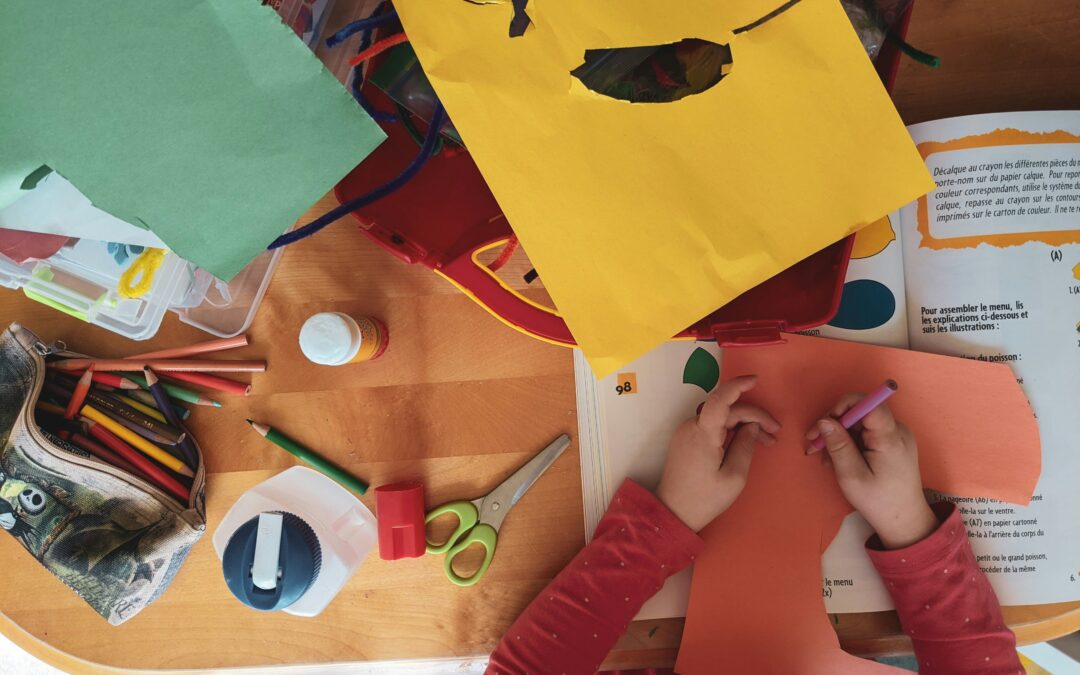
Drawing and painting build your child’s imagination, and children at this age love using crayons, pencils and paintbrushes.
2. Natural Materials Exploration
Early childhood educators should first consider nature when planning sensory experiences, letting the wind rustle children’s hair, grass tickle their noses, and mud, sand and water squelch between their toes, whilst flowers and pine cones offer beautiful scents.
Create sensory bins with:
Gumnuts and eucalyptus leaves
Pine cones and bark
Smooth river stones
Native flowers (non-toxic)
Sand and shells
3. Sensory Bottles and Treasure Baskets
Create discovery bottles filled with:
Coloured water with glitter
Dried pasta and rice with hidden treasures
Natural materials like seeds and petals
Musical shakers with different sounds
Active Play and Gross Motor Development
Gross motor skills are crucial for your child’s physical development and overall well-being. With children so active at this age, it’s important to provide plenty of opportunities for movement through activities like walking up steps, riding a tricycle, throwing, catching and kicking a ball, running, climbing, jumping, hopping and balancing on one foot.
Movement Activities That Build Confidence
1. Obstacle Courses
Setting up simple obstacle courses, like jumping over sticks, helps children develop movement skills, balance and coordination. Create courses that include:
Stepping stones or cushions to hop between
Tunnels to crawl through
Low beams to balance on
Cones to weave around
Balls to kick or throw at targets
2. Dancing and Music Activities
At Saige Early Learning, we offer dancing lessons that encourage creativity and self-expression in a fun, supportive environment. Music and movement help children develop:
Rhythm and coordination
Body awareness
Self-expression and confidence
Listening skills
Social interaction through group activities
3. Outdoor Exploration
Spending time playing outdoors lets children explore the natural environment, have adventures and test their physical limits. Our outdoor programme includes:
Nature walks and scavenger hunts
Climbing equipment and slides
Ball games and group sports
Gardening activities
Free play in natural settings
Creative Arts and Imagination
Creative play nurtures your child’s imagination, self-expression, and cognitive development. Arts and crafts activities are an excellent way to develop preschoolers’ creativity and fine motor skills, with children creating collages using different materials and using clay or playdough to make simple sculptures.
Imaginative Play Activities
1. Dramatic Play and Role-Playing
Children at this age might try different roles—for example, they might pretend to be a doctor or a parent, and it’s common for preschoolers to have imaginary friends.
Set up themed play areas:
Home corner with kitchen equipment
Doctor’s surgery with medical props
Shop with a toy cash register and groceries
Construction site with toy tools
Veterinary clinic with stuffed animals
2. Storytelling and Puppet Play
Giving children plenty of playtime is important for developing preschooler emotions, as play helps preschoolers explore and express feelings like joy, excitement, anger or fear, which can be done through pretend play with puppets.
3. Art Exploration
Encourage open-ended creativity with:
Collage materials (fabric, paper, buttons, natural materials)
Paint in various forms (watercolours, finger paint, sponge painting)
Clay and modelling materials
Drawing with different media
Nature-inspired art using leaves, flowers, and sticks
Language and Literacy Development
Oral language skills form the foundation for future reading and writing success. Reading books together regularly can foster a love for reading and improve vocabulary and comprehension.
Activities That Build Language Skills
1. Nursery Rhymes and Songs
Singing encourages children to use words, which helps to develop their memory, and children might remember only a few words at a time, but can put actions to words as they sing them. Regular singing sessions include:
Traditional Australian nursery rhymes
Action songs with movements
Multicultural songs celebrating diversity
Made-up songs during routine activities
2. Interactive Reading
Activities like cooking with your child help preschoolers get interested in healthy food, learn new words and understand maths concepts like ‘half’, ‘1 teaspoon’ or ’30 minutes’. Reading time activities include:
Picture book discussions
Story sequencing activities
Character role-playing
Creating alternative endings
Making up stories together
3. Conversation and Questioning
Encourage your child’s natural curiosity by:
Answering their endless “why?” questions
Asking open-ended questions during play
Describing objects and actions using rich vocabulary
Practising turn-taking in conversations
Mathematical Thinking Through Play
Mathematical concepts develop naturally through play-based experiences. Children learn to estimate, order, count, time, match, classify, sort, and understand concepts such as more/less, heavy/light, sink/float, cause and effect, gravity, and material properties—all through sensory play.
Hands-On Maths Activities
1. Counting Collections
Provide opportunities to:
Count natural objects during nature walks
Sort toys by colour, size, or type
Create patterns with blocks or beads
Compare quantities (more, less, same)
2. Cooking Together
Cooking with your child helps them get interested in healthy food, learn new words and understand maths concepts, with simple things like tossing a salad or putting together sandwiches. Cooking activities teach:
Measuring and quantities
Following sequences
Timing and patience
Cause and effect
Healthy eating habits
3. Building and Construction
Block play develops:
Spatial awareness
Size comparison
Balance and stability concepts
Planning and problem-solving
Counting and patterns
Social-Emotional Learning
Social-emotional development is crucial during the Junior Kindy years. Playing games that involve learning to share and taking turns helps children develop, and while sharing is still hard for children at this age, giving plenty of praise when they share is important.
Activities That Build Social Skills
1. Turn-Taking Games
Encouraging group games that involve sharing and cooperation helps preschoolers develop their social skills and learn the importance of teamwork, with games like Duck, Duck, Goose or Musical Chairs being great options.
Simple games include:
Board games suitable for preschoolers
Passing games in circle time
Cooperative building projects
Group art activities
2. Emotion Recognition Activities
Recognising and naming children’s emotions helps them understand self and others. Activities include:
Feelings charts and emotion faces
Role-playing different scenarios
Books about emotions
Puppet shows exploring feelings
Mirror play and facial expressions
3. Collaborative Projects
Working together on:
Group murals or art installations
Building large structures together
Caring for classroom plants or pets
Preparing snacks for the group
Tidying up as a team
Fine Motor Skill Development
Fine motor skills are essential for future writing and everyday tasks. When it comes to using their hands, children at this age might be able to draw a circle or square, build big towers using blocks, and use child-safe scissors.
Hands-On Fine Motor Activities
1. Manipulative Play
Threading beads and lacing cards
Using playdough with cutters and rollers
Puzzles with varying complexity
Pegboard activities
Tweezers or tongs for picking up small objects
2. Pre-Writing Skills
Drawing and scribbling freely
Tracing lines and shapes
Painting with different-sized brushes
Chalk drawing on vertical surfaces
Mark-making in sand or shaving cream
3. Self-Care Practice
Encourage independence through:
Practising zips, buttons, and snaps
Pouring drinks and serving food
Using child-safe scissors
Opening containers and lunchboxes
Washing hands thoroughly
The Saige Early Learning Approach
At Saige Early Learning, our Junior Kindy programme reflects our commitment to child-centred learning aligned with the Early Years Learning Framework (EYLF). We believe that play is at the heart of everything we do, with children exploring, creating, and discovering at their own pace—building confidence, curiosity, and a lifelong love of learning.
What Makes Our Junior Kindy Programme Special
Qualified, Passionate Educators: Our experienced team creates engaging, age-appropriate activities that meet each child where they are in their development.
Play-Based Learning: Every activity is designed to be fun and engaging whilst supporting crucial developmental milestones.
Holistic Development: We focus on cognitive, social, emotional, physical, and creative development in an integrated way.
Individual Learning Paths: We tailor our approach to meet each child’s unique needs, interests, and learning style.
Family Partnerships: We work closely with families to support your child’s learning at home and in our centre.
Nutritious Meals Included: We provide everything your child needs, including healthy, tasty meals, so you can focus on what matters most.
Additional Enrichment: Through our partnerships, we offer swimming lessons and dancing lessons to enhance your child’s development.
Supporting Learning at Home
Whilst professional early childhood education is invaluable, you can extend learning at home with simple, everyday activities:
Daily Learning Opportunities
Morning routines: Let your child help with simple tasks
Meal times: Involve them in preparation and conversation
Outdoor time: Explore your garden or local park together
Bath time: Water play and counting games
Bedtime: Reading stories and discussing the day
Screen-Free Activity Ideas
Preschoolers have a lot of energy and big imaginations, so doing screen-free activity ideas together is beneficial. Try:
Dress-up box with old clothes and accessories
Nature walks playing “I Spy”
Making mud pies and outdoor exploration
Building cubby houses with blankets
Creating obstacle courses indoors
Looking Ahead: Preparing for the School Years
The skills your child develops during their Junior Kindy years lay the foundation for future success. Through our comprehensive programme, children develop:
Independence and self-confidence
Social skills and emotional regulation
Language and communication abilities
Problem-solving and critical thinking
Physical coordination and control
Curiosity and love of learning
Our preschool programme continues this journey, providing preparatory experiences that ensure a smooth transition to primary school.
Join the Saige Early Learning Family
At Saige Early Learning in Gregory Hills, we’re committed to nurturing the natural curiosity and creativity of every child. Our Junior Kindy programme provides a safe, stimulating, and inclusive environment where 3-4 year olds can explore, learn, and grow through engaging, developmentally appropriate activities.
Every day is filled with opportunities for discovery, laughter, and growth. Our beautiful centre is designed to inspire learning at every turn, with experienced educators who are passionate about making a difference in young lives.
Ready to see our Junior Kindy programme in action? Contact Saige Early Learning today at enrolments@saigeearlylearning.com.au or visit us at 67-77 Lasso Road, Gregory Hills, NSW 2557. Book a tour to discover how we’re building confident, capable, and curious learners through engaging, play-based activities.